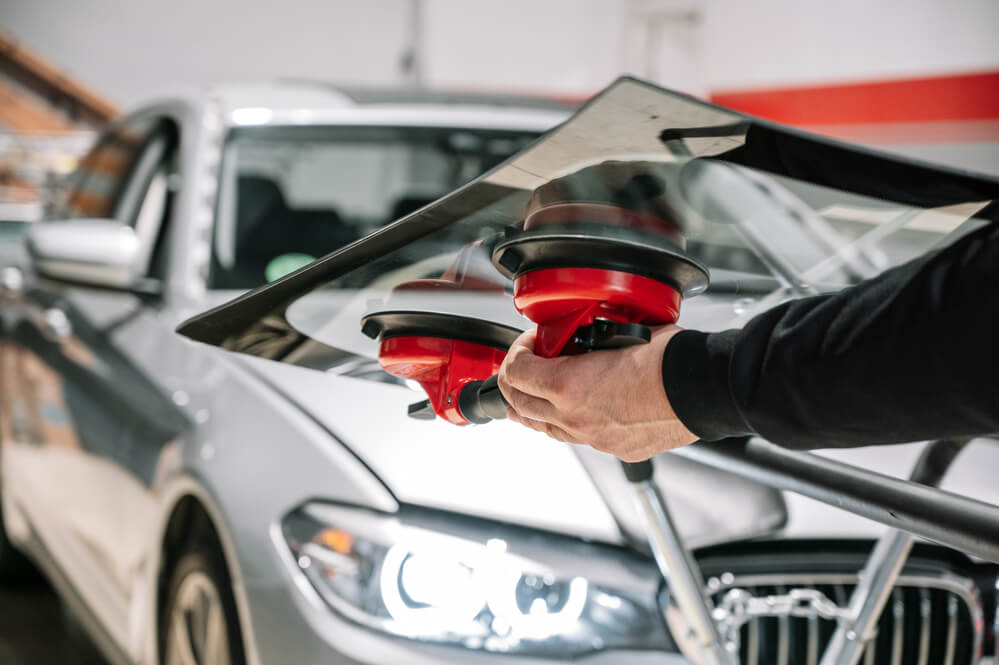
Modern vehicles are smarter than ever. If your car was made in the last several years, it likely has an Advanced Driver Assistance System (ADAS) — a suite of safety technologies that rely on cameras, sensors, and radar mounted on or near the windshield. When you replace your windshield, these systems need to be recalibrated. Skipping this step can put you and your passengers at serious risk.
What Is ADAS?
ADAS stands for Advanced Driver Assistance Systems. It's an umbrella term for a wide range of safety technologies designed to help drivers avoid accidents and navigate more safely. These systems use cameras, radar, lidar, and ultrasonic sensors — many of which are mounted directly behind or integrated into the windshield.
Why Does Windshield Replacement Affect ADAS?
The camera and sensors used by ADAS are calibrated to work within extremely precise tolerances — often measured in millimeters. When your windshield is replaced:
- The camera mounting bracket is repositioned
- Even minor shifts in camera angle affect system accuracy
- The new glass may have slightly different optical properties
- Adhesive curing can cause minor movement as the windshield settles
All of these factors can throw off the calibration of your ADAS systems — sometimes by enough to cause them to malfunction, give false warnings, or fail to activate when needed.
Don't Skip Recalibration
Driving with an uncalibrated ADAS system can be more dangerous than having no system at all. A miscalibrated lane departure warning may give false alerts, causing you to overcorrect. Worse, automatic emergency braking may fail to engage when it's needed most.
Static vs. Dynamic Calibration
There are two main types of ADAS calibration, and the method required depends on your vehicle's make and model:
Static Calibration
Performed in a controlled environment using specialized targets and equipment. The vehicle must be stationary, on a level surface, and the targets must be placed at precise distances and angles in front of the camera.
Dynamic Calibration
Performed by driving the vehicle at certain speeds on roads with clear lane markings while the system recalibrates itself. Some vehicles require both static and dynamic calibration.
Which Vehicles Require ADAS Calibration?
If your vehicle was manufactured after approximately 2015, there's a strong chance it has ADAS features that require calibration after windshield replacement. Common brands that require recalibration include:
The best way to know for certain is to check your owner's manual or ask a qualified auto glass technician before your windshield replacement.
ADAS Calibration at Dallas Auto Glass
At Dallas Auto Glass, we don't just replace your windshield — we make sure your vehicle's safety systems are working exactly as they should. Our technicians are trained to identify whether your vehicle requires ADAS recalibration and perform the appropriate calibration procedure.
OEM-Quality Glass
We use glass that meets or exceeds original equipment specifications, ensuring proper optical clarity for cameras.
Certified Technicians
Our team is trained in ADAS recalibration procedures for all major vehicle makes and models.
Proper Equipment
We use industry-approved calibration targets and software to ensure your systems are accurately recalibrated.
Post-Calibration Check
We perform a final verification to confirm all ADAS features are functioning correctly before you leave.
Does Insurance Cover ADAS Calibration?
In most cases, yes. If your windshield replacement is covered by comprehensive auto insurance, ADAS recalibration is typically covered as part of the claim since it's a required step in the replacement process. We work directly with your insurance company and handle all the paperwork, so you don't have to worry about the details.